
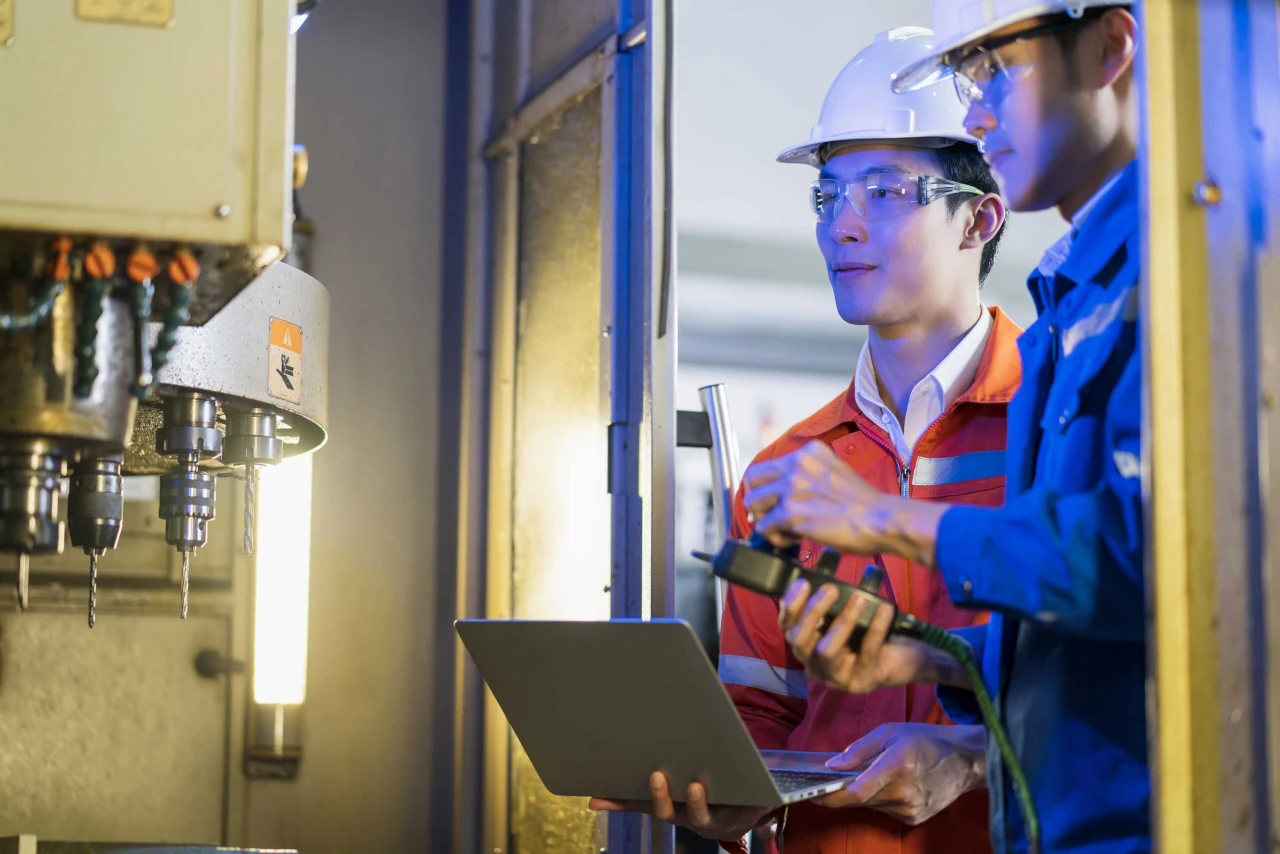
Digital transformation is a challenge for many traditional industries in the post-pandemic era. Smart factories can offer significant benefits, but the transition also contains pitfalls. How can a business avoid common mistakes and make its investment deliver a practical return?
Smart factories offer a path toward greater efficiency and productivity. Moving from established methods to a connected production model, however, can involve a difficult adjustment period.
Introducing technology into existing operations takes careful planning. The effects extend beyond a production line to the wider business and its future strategy. Smart manufacturing has become an important part of the industrial landscape, making transformation a subject traditional manufacturers need to consider.
What problems are most likely to arise, and how can they be avoided?
Further reading: Smart Factories: Digital Transformation
Begin with clear goals and a strategy
Different industries and operating models have different requirements. Acting without clear objectives can waste money and effort.
Leaders should first identify what they want to achieve: lower labor costs, better quality control, higher production efficiency or simpler management, for example. Assess current challenges and develop a strategy that reflects the company’s long-term vision. Then work with an experienced supplier to create an appropriate transformation plan.
Plan for cybersecurity
Smart factories connect multiple systems and devices over wireless technologies and networks. Those connections create potential security risks, so protection should be considered from the beginning.
Many businesses use cloud platforms instead of traditional local storage. Encryption, access controls, regular audits and permissions appropriate to each role help protect digital infrastructure and confidential information.
Check compatibility and interoperability
Overlooking compatibility between technologies and equipment is another common mistake. Devices from different manufacturers may need different firmware or integration work before they can operate together.
A new system that cannot integrate with existing equipment can create data silos and limit the value of the smart factory. Discuss adaptable solutions with the supplier early, agree on standards and preserve room for future development while maintaining efficient communication and operations.
Value the data, not just the equipment
Traditional manufacturing often depends heavily on skilled operators. Experienced technicians can recognize machine problems and assess quality quickly, making them central to the business.
But relying entirely on individual experience creates vulnerabilities, particularly when labor is scarce or knowledge is not passed on. Smart factories build on that expertise and combine it with production data to improve processes.
As data accumulates, it supports more precise analysis and long-term traceability. When something unexpected happens, teams can identify the cause more quickly. Technology matters, but management must also pay attention to the results revealed by the data to realize its value.
Invest in training and communication
Employees are a crucial part of a successful transition. People accustomed to established methods may worry about losing their jobs or having familiar routines changed, and may hesitate to adopt new technology.
Training and clear communication are essential. Explain the practical benefits for employees, listen to their experience and let them participate in decisions about improving workflows. Involving experienced staff helps create a more positive transition.
Preparing for transformation
Businesses considering smart manufacturing should assess current difficulties and plan future operations before committing resources. The original article also notes that government programs may support transformation in different industries.
If you are planning the next step, contact Mountainview Technology. We can help develop a solution around the needs of your business.