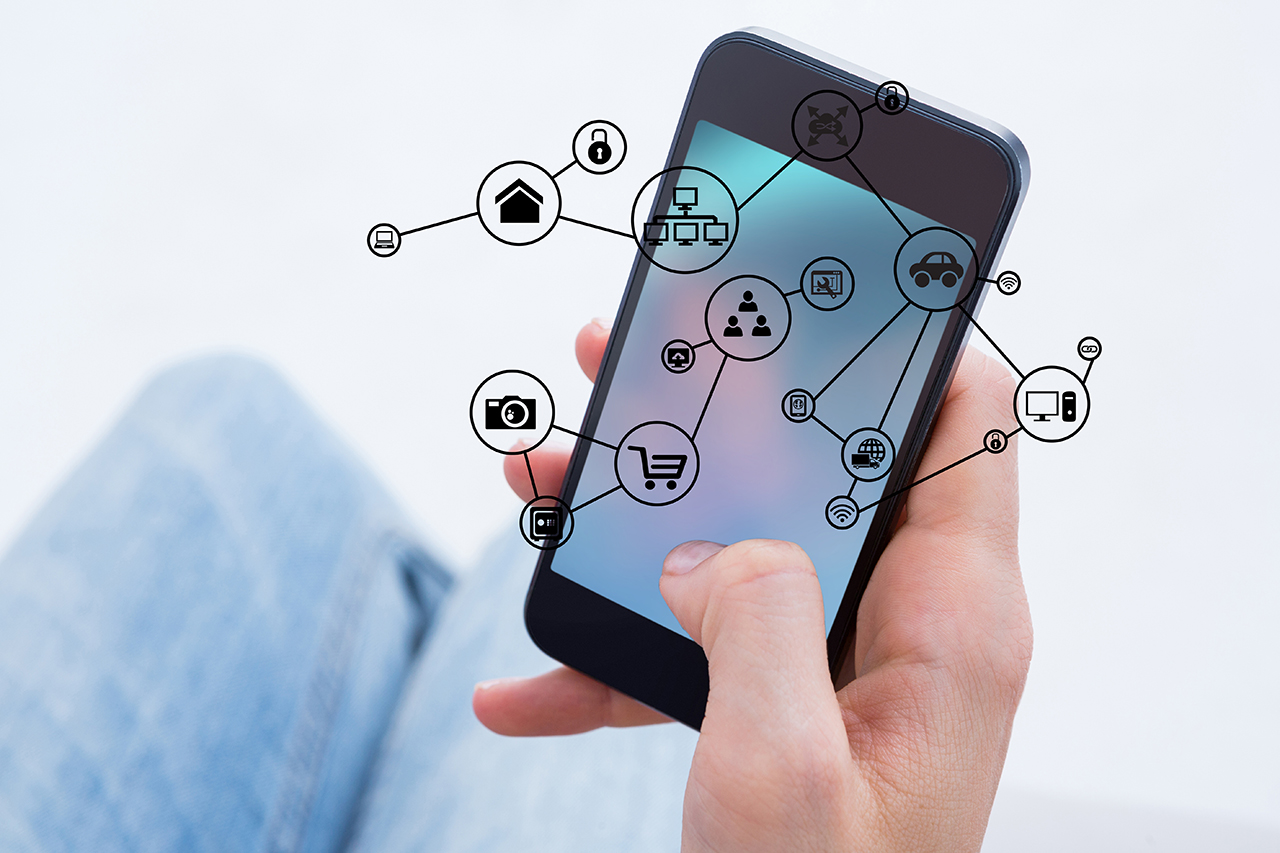
The Internet of Things (IoT) connects physical objects to the internet and uses sensors to collect data that helps people make decisions. Its applications have expanded into many fields. At home, connected appliances, security systems, thermostats and cameras let us monitor and control equipment without being physically beside it. But IoT goes well beyond those everyday conveniences. Here are six important areas where it is being put to work.
Wearable devices
Smartwatches, fitness bands and virtual reality glasses are familiar examples of wearable devices. Built-in sensors collect information and upload it to a database: sleep patterns, step counts and stress indicators, for example. Users can check this information on their phones to understand their daily condition. New connected wearables are also being developed for purposes beyond personal activity tracking, opening up further possibilities.
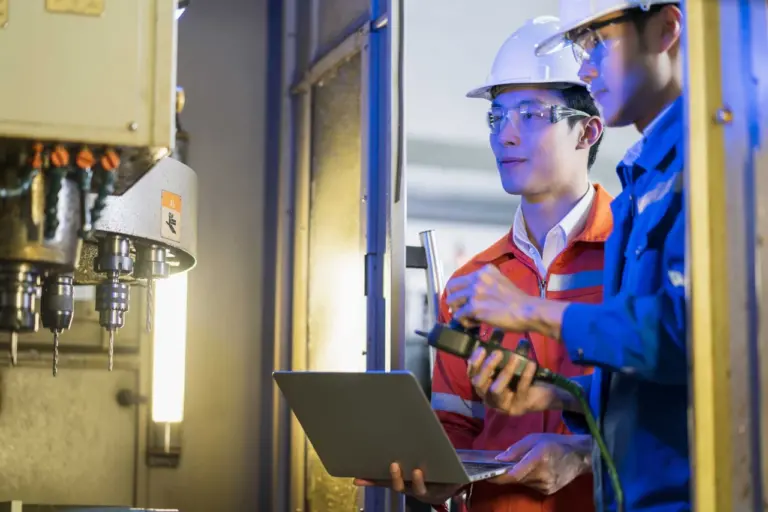
Manufacturing
IoT helps traditional manufacturers modernize and find new ways to work. It turns complex production processes into measurable data, which can be analyzed to improve efficiency. Managers can monitor production in real time and direct staff toward tasks where their skills are most useful.
Food production is one example. Consistent quality depends on carefully controlled conditions, which traditionally require experienced operators to watch the process closely. IoT sensors can detect temperature and humidity changes in real time, helping maintain quality and food safety.
The benefits continue as sensors collect data over time. Manufacturers can analyze it to understand production performance more precisely. Sales data can also reveal customer preferences and support large-scale customization for particular requirements. Faster manufacturing shortens product cycle times, creating more opportunities to reach the market.
Logistics
Logistics is another field that makes extensive use of IoT. Tracking technology supports freight transport and has helped transform delivery services. From shipment tracking to warehouse control and location management, connected systems reduce time-consuming manual work. GPS tracking and geofencing let managers monitor delivery routes remotely, keep track of shipments and understand drivers’ routes.

Agriculture
Agriculture remains an important part of Taiwan’s economy and landscape. Over recent decades it has adopted increasingly industrialized, technology-driven methods. With labor harder to find, farming and livestock businesses increasingly rely on technology to sustain and develop their operations.
IoT sensors collect environmental and equipment data to support decisions about different crops. Farmers can use it to choose when to apply fertilizer, maintain suitable growing conditions, and identify pests or disease.
Smart cities
As cities grow and develop, dense populations create challenges in transport, waste and energy use. Smart cities use information and communications technology (ICT) to support sustainable development and respond to urbanization.
Sensors placed around a city can collect and analyze information about pedestrian and vehicle traffic. Combined with interaction through residents’ smartphones, these systems can improve quality of life and help reduce energy consumption and carbon emissions.
Healthcare
Healthcare has used technology for decades to support clinical work. Electronic records, for example, integrate information from different systems so doctors can obtain a fuller picture of a patient’s history. IoT adds the ability to monitor patients through connected wearables and sensors.
Taiwan’s population is aging rapidly. At the time this article was published, Taiwan was expected to become a super-aged society in 2025, with one in five people aged 65 or over. Staff shortages make it difficult to provide sufficient care for every older person and patient. Connected devices can monitor different patient needs and notify caregivers when action is needed, helping improve care and prevent serious incidents.
IoT can also be integrated into hospital beds and wards. Sensors monitor important measurements such as vital signs, blood pressure, blood oxygen and body temperature. A monitoring platform helps hospitals coordinate care and gives staff a better working environment.
IoT applications are broad and increasingly visible in everyday life. Beyond these six fields, connected technology is used in hospitality, education, services and business management to make life more convenient and improve operations. If your business is facing challenges and looking to technology to reduce manual work, contact Mountainview for an initial discussion. We start by understanding your requirements, then work through research and practical discussions to build a solution tailored to you.