

Artificial intelligence is spreading beyond the technology sector into many industries. By learning from data and repeated training, AI systems can perform tasks associated with human cognition. Their development is already changing how businesses work. — Mountainview Technology
What is artificial intelligence?
Artificial intelligence (AI) is a field of computer science concerned with systems that perform tasks that would normally require human intelligence. The arrival of tools such as OpenAI’s ChatGPT has introduced many people to capabilities they had not previously imagined.
Through repeated learning and training, AI systems can recognize patterns, process information and perform tasks that resemble aspects of human thinking. Autonomous driving and assistants such as Siri and Alexa are familiar examples.

AI can answer questions, play games and recognize or classify information. By processing large datasets, it identifies patterns that can help people make decisions and reduce mistakes. It is also an important driver of developments in big data, robotics and IoT.
Which industries are changing?
The original article describes substantial business interest in investing in AI. It cites IBM’s 2021 Global AI Adoption Index and notes that roughly 2,300 of the 9,130 patents awarded to IBM inventors in 2021 related to artificial intelligence.
Although organizations differ in how quickly they adopt the technology and how they view its effects on work, AI is changing operating models in many fields.
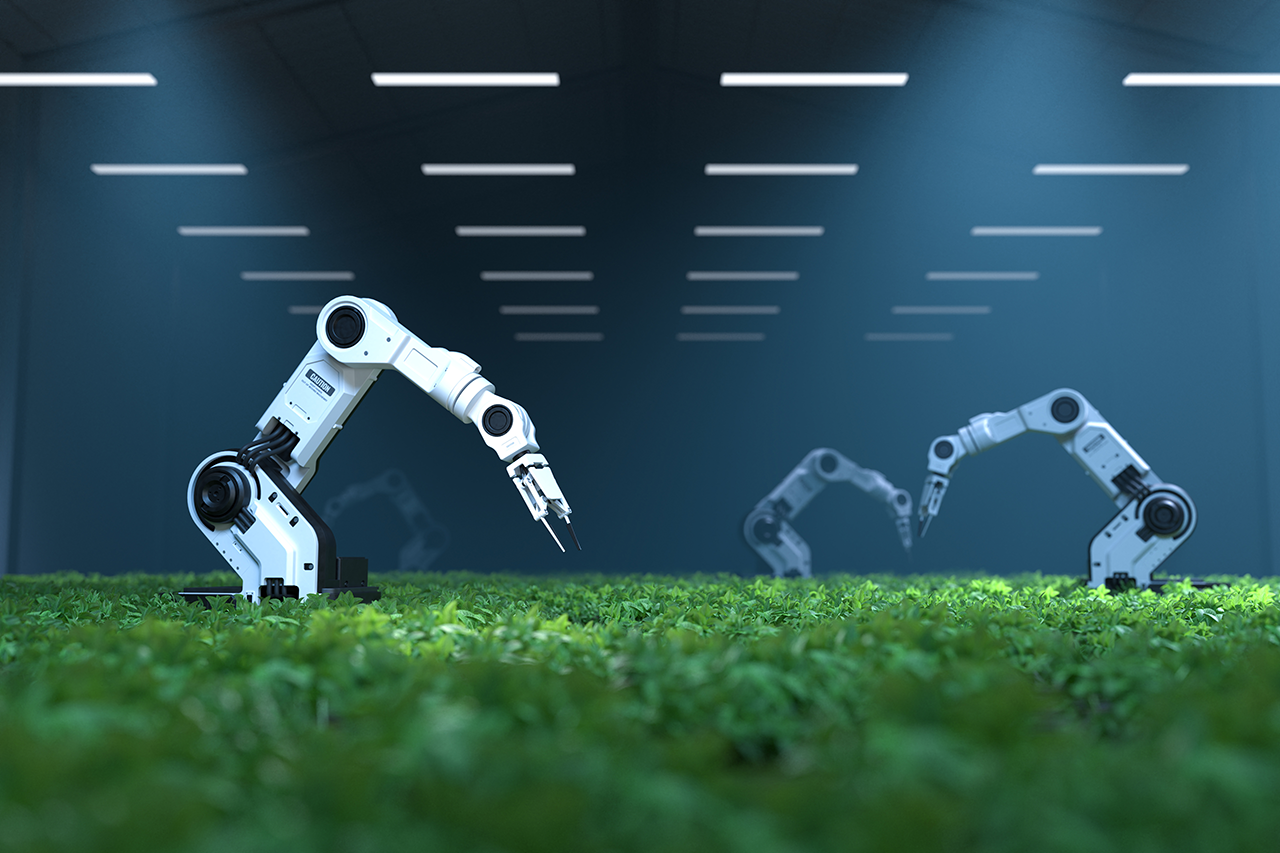
Agriculture
Taiwan’s agricultural communities face labor shortages, extreme weather and limited land. Smart agriculture uses AI to help forecast yields and plan future sales.
Data about resource use can help reduce waste, including water and energy. Monitoring can also identify crop disease, help prevent its spread and give farmers earlier information about crop health.
Construction
Construction projects involve long periods of planning and development. AI can help estimate schedules and costs, supporting decisions about efficiency, profitability and the sequence of work.
Analyzing information from past projects and designs can help engineers select construction methods. At the management level, AI can also assist with workforce allocation and team performance.
Energy
Energy businesses are working to manage the environmental effects of development and carbon emissions. AI can help estimate emissions over a given period.
Because failures in energy infrastructure can have major safety and resource implications, companies also use computer vision and AI to detect component defects, anticipate faults and reduce maintenance costs.
Financial services
Financial services are competitive, closely regulated and strongly influenced by human decisions and behavior. Many institutions use technology to distinguish their services, and a range of financial processes has become partly or fully automated.
Banks in Taiwan, for example, use AI chatbots to handle routine customer questions. The original article reports that 81% of financial services executives considered AI an important strategy for attracting and retaining customers.
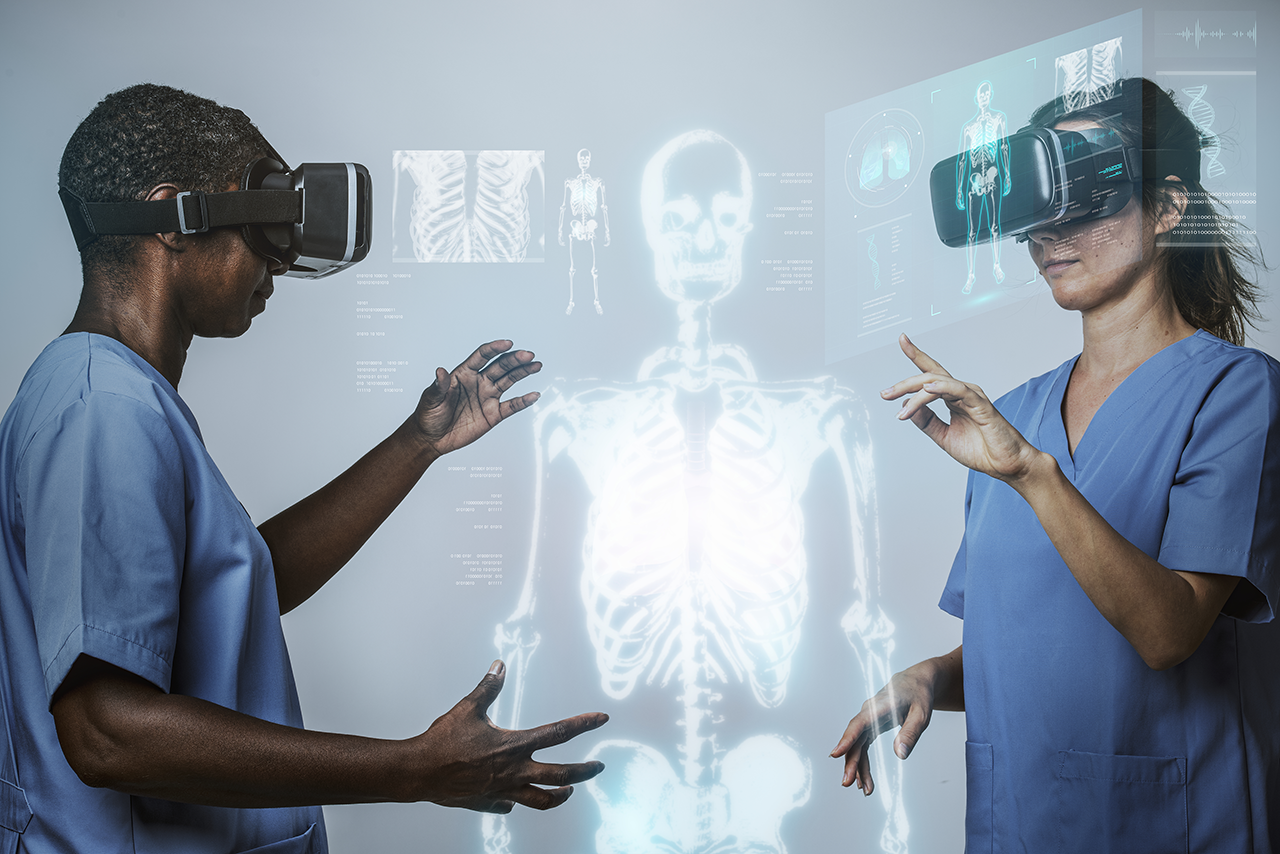
Healthcare
Medical knowledge continues to expand, from diagnosis to drug development. AI can help clinicians find relevant information among large volumes of research and treatment information.
Mountainview developed an AI application that retrieves possible diseases and testing approaches from a medical database based on keywords and symptoms. It has been used by healthcare organizations in Texas to support clinical research during consultations and help reduce lengthy information searches and diagnostic errors.
AI applications also extend to manufacturing, logistics, retail, security and other fields, creating new combinations of technology and human work.
Effects on society
It is easy to underestimate how quickly technology changes everyday life. AI applications affect routine tasks, transport and healthcare, making their development relevant to current and future generations.
The effects include both opportunities and challenges. AI can replace some types of work while creating new roles. Automating repetitive or dangerous tasks can give people more time for creative and interpersonal work that they find rewarding. Social rules and oversight also need to keep pace with these changes.
Future directions

The article looks ahead to AI becoming more widespread and capable, helping people make decisions at work and in daily life. Some applications once associated with fiction, such as autonomous driving, household assistants and face recognition, are already familiar.
Removing repetitive work can create more time for personal and professional development. The article imagines possibilities ranging from increasingly capable surgical robots to assistants that review schedules and arrange appointments.
Businesses should also review existing processes to identify where AI might improve products, service quality or decision-making. Data analysis can reveal opportunities to reduce costs and adapt products to users’ needs.
If you are interested in exploring AI, contact Mountainview Technology. We can help assess your requirements and plan an appropriate direction.