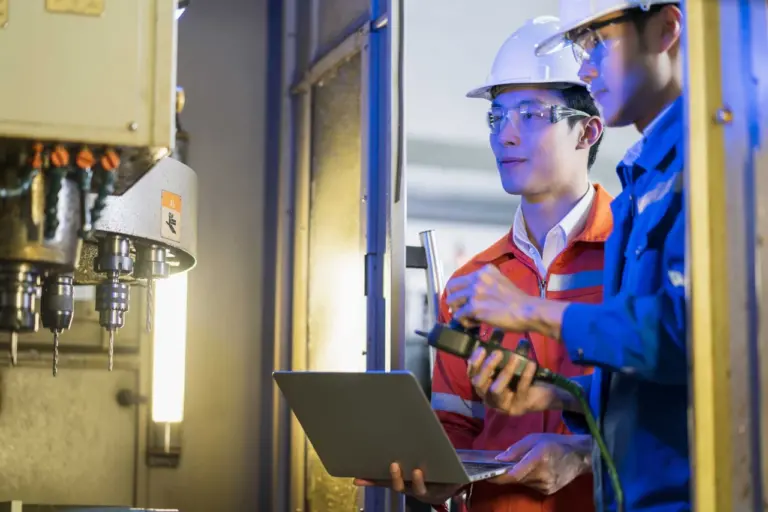
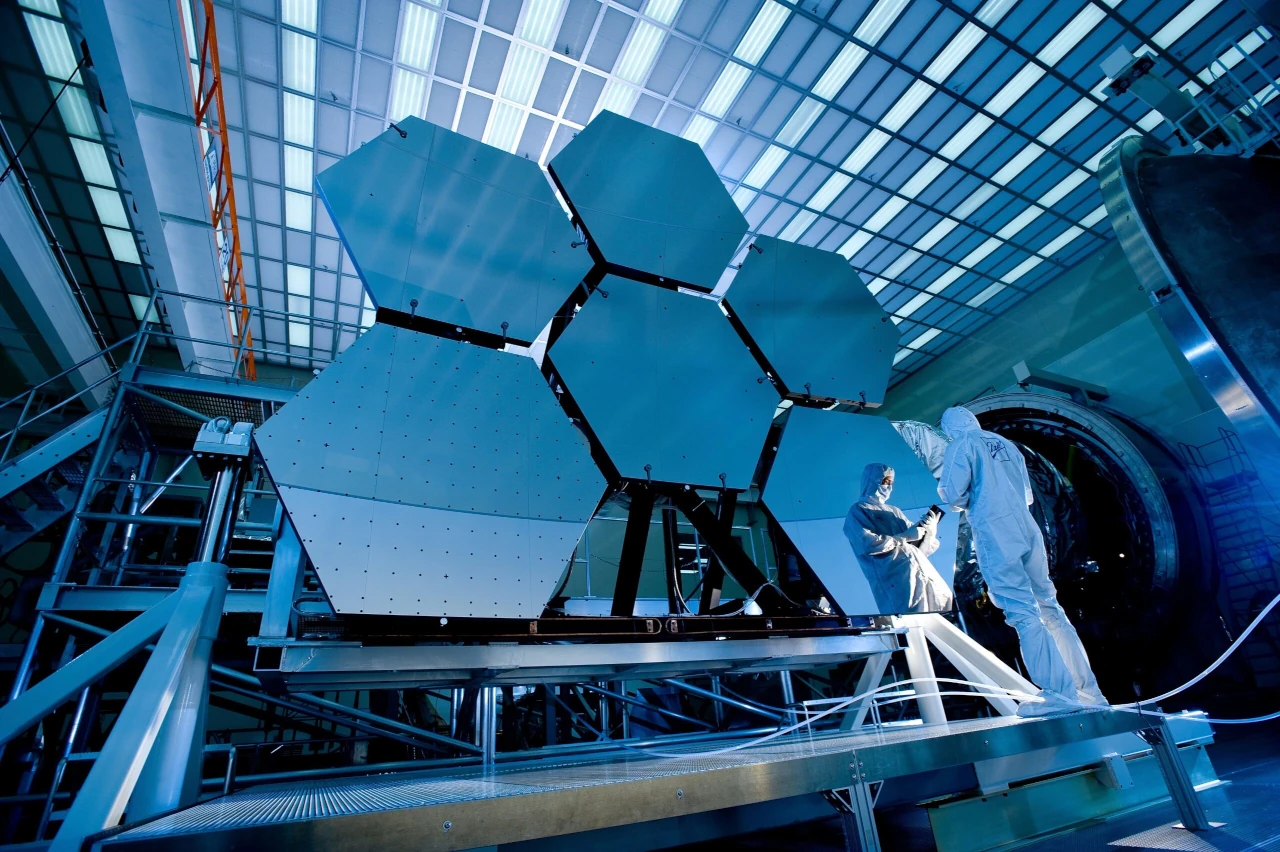
Smart factories combine AI, data analysis, IoT and cloud computing to create flexible manufacturing that responds to changing production needs. Taiwan’s manufacturers are increasingly exploring this transformation. What makes a factory smart, and which technologies matter? — Mountainview Technology
What is a smart factory?
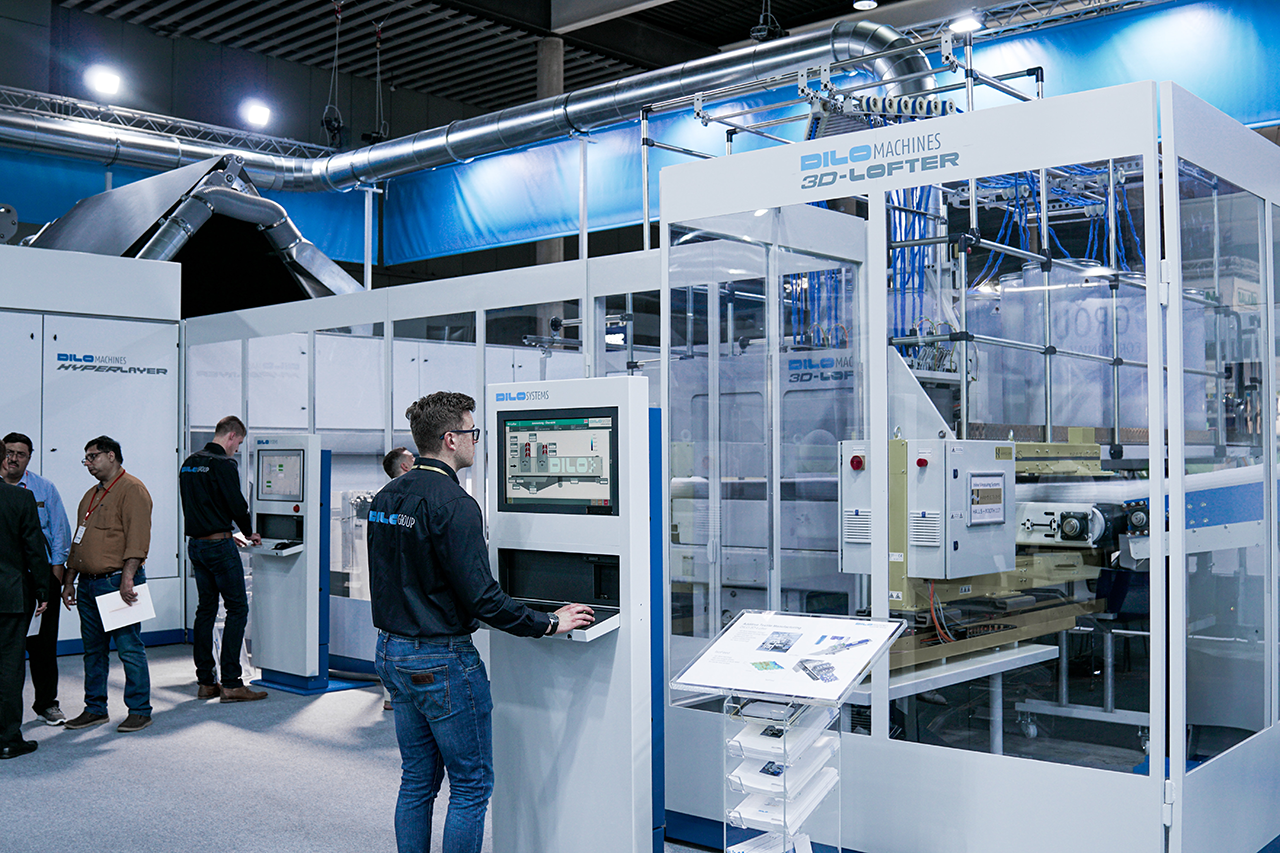
A smart factory brings together artificial intelligence, large-scale data analysis, cloud computing and IoT. The result is a manufacturing model that can adapt to different production requirements. Businesses that respond quickly to markets and supply the products customers need are better placed to compete.
Just as steam power helped drive the Industrial Revolution, shorter product life cycles and growing demand for customization are encouraging manufacturers to work with digital technology today.
Further reading: Industry 4.0: The Fourth Industrial Revolution
By connecting the physical world to the internet, a smart factory links equipment and production stations through IoT. This creates a bridge between IT teams and industrial control departments that previously had little contact.
Manufacturers can monitor the entire production process, from machines to manual work, and use the data to optimize equipment and reorganize operations. Industry 4.0 combines physical processes and network technologies to support increasingly complex and precise production. Better information can improve quality, efficiency, transparency and control.
AI and edge computing let manufacturers capture, process and store more equipment data. Analysis then informs adjustments to operating systems. Real-time information helps teams respond to production conditions, while continually updated data supports ongoing improvements to both processes and products.
Key technologies and applications
The following digital technologies are important building blocks for smart manufacturing.
5G
Smart factories depend on data. Compared with earlier mobile networking, 5G offers higher speeds and the ability to move large amounts of information with low latency. The original article describes speeds around ten times those of 4G and throughput reaching a gigabit per second or more. Reliable, timely communication is particularly useful in manufacturing tasks that require precision and close coordination.
Mobile equipment can support remote operation and automated control. For example, a delivery truck approaching a factory can send detailed information about its cargo and quantities in advance. Automated systems can register inventory and move parts toward production, while departments coordinate resources before the shipment arrives. This reduces delays and opportunities for manual errors.

Artificial intelligence
AI can support predictive maintenance, quality control and materials handling. Data collected by sensors, machines and people helps optimize operations and can support highly automated, “lights-out” factories.
The pandemic in 2020 disrupted global manufacturing supply chains. The original article notes that labor shortages reduced manufacturing capacity by at least 20%, highlighting the need for more adaptable production. AI and data analysis can help predict process problems, accelerate production and reduce variation and potential losses.
Cloud computing
Cloud computing provides flexibility and can reduce the amount of hardware and software a factory needs on site. Usage-based services let a business obtain resources according to its requirements and scale as those requirements change.
Alongside cost and speed, cloud services can save staff time and physical space. Instead of building all IT infrastructure within a crowded warehouse or complex production area, businesses can access resources when and where they need them. Security is also an important consideration when comparing cloud services with traditional installations.

Edge computing
Some smart factories also process data locally. Whereas cloud computing uses centralized data centers, edge computing places processing closer to the equipment that generates the information.
Local processing can reduce delays in data updates and provide timely insights and predictive analysis. This helps businesses respond more quickly and get more value from their data.
Other digital tools, including 3D printing and enterprise software, can also contribute to manufacturing efficiency and productivity.
Why transform into a smart factory?
Together, these technologies can provide several benefits:
- More precise KPI measurement: automatically collected data helps management understand and forecast performance.
- Earlier preparation: predictive maintenance helps teams anticipate and resolve maintenance issues.
- Better demand management: improved forecasting can reduce waste and support efficient resource allocation.
- Higher manufacturing productivity: timely information about equipment condition and production bottlenecks helps managers and operators improve output.
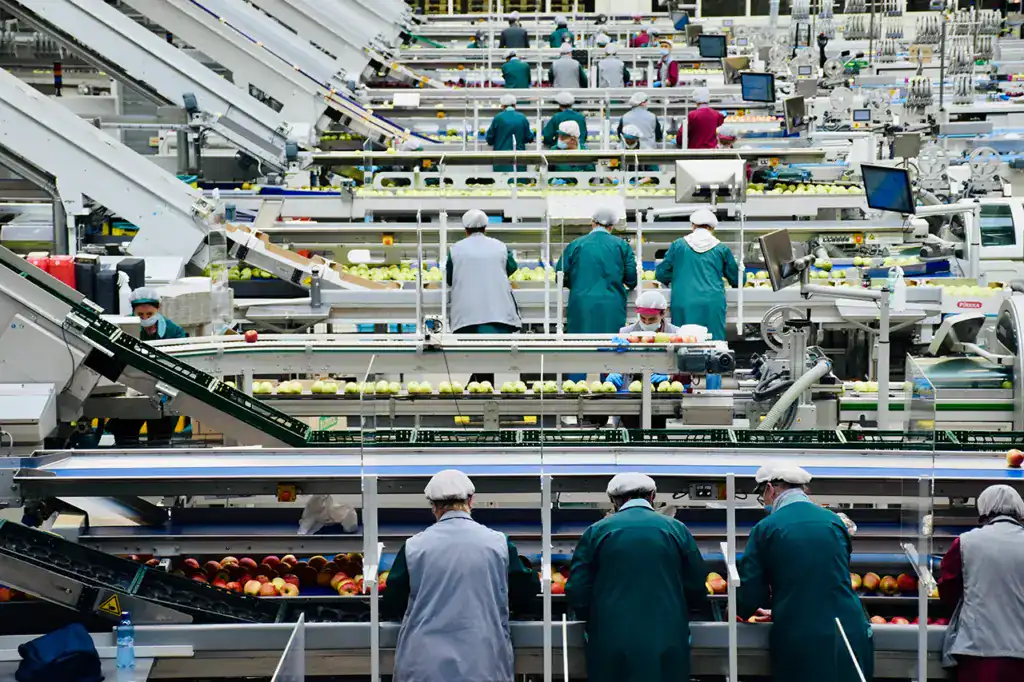
The original article cites a MarketsandMarkets forecast that the global smart manufacturing market would grow from US$8.87 billion in 2021 to US$22.82 billion in 2027. It attributes this growth to changing consumer preferences and inefficiencies in traditional manufacturing, alongside increasing business and government interest in industrial automation.
A smart factory brings manufacturing management and digital technology together. Achieving a useful integration between production lines and technology requires an experienced engineering team, helping make the investment deliver its intended value.
Interested in smart manufacturing? Contact Mountainview Technology for professional advice and a solution developed around your requirements.