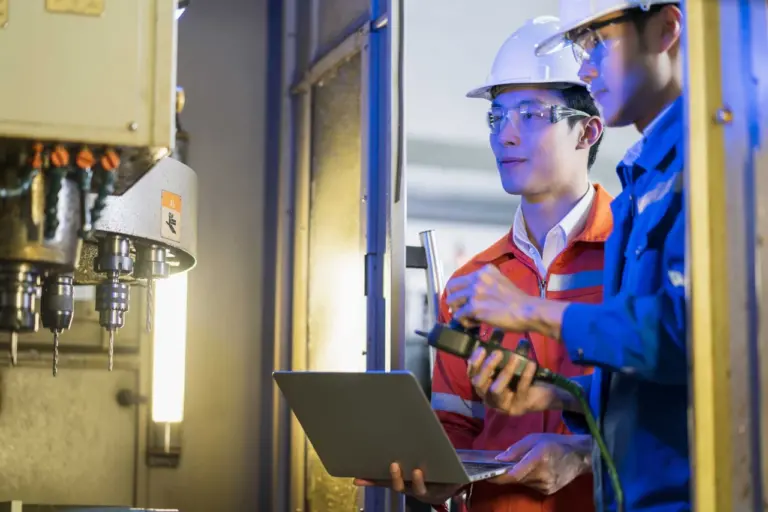
Industry 4.0 connects physical and digital systems to drive production and services, with effects across research, supply chains and manufacturing. How can it help businesses respond to rapid market changes, personalized demand and labor shortages? This overview traces its development and offers a checklist for considering your own transformation. — Mountainview Technology
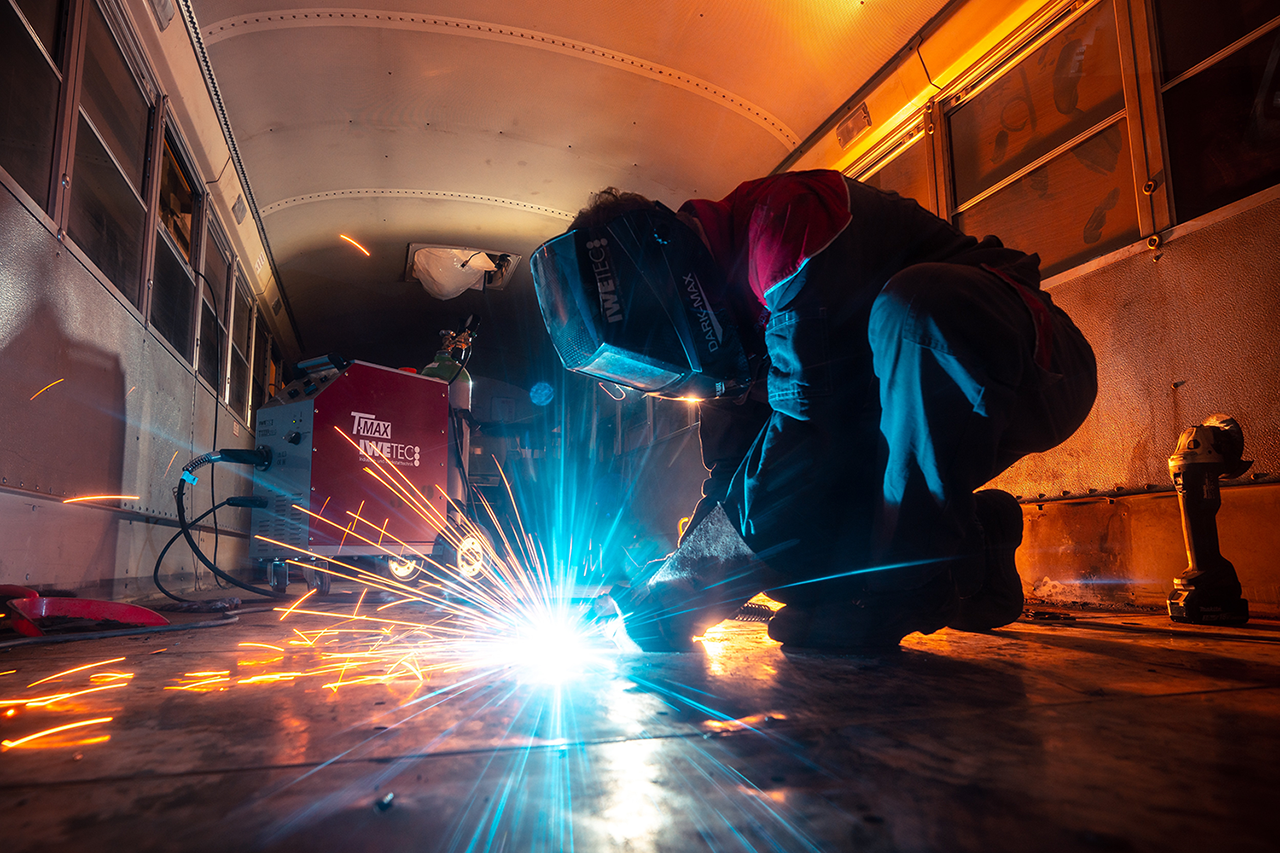
Manufacturing has long supported Taiwan’s economy and the material foundations of society. From agriculture and commerce to industrial and information societies, the fuels, equipment and tools behind these transitions depend on manufacturing. Developments in industrial IoT have helped Taiwan’s manufacturers grow and demonstrate their ability to adapt to change.
The origins of manufacturing and the industrial revolutions
Before the Industrial Revolution, manufacturing depended on manual work. Craftspeople spent years training apprentices and passing on their skills. Traditional tools and equipment placed product quality largely in the hands of the individual craftsperson.
The steam engine gradually changed this model. Machines replaced large amounts of manual labor, and production moved from local workshops into factories. Owners built factories and gathered workers together to make production easier to manage. This became the foundation of industrialized manufacturing and the First Industrial Revolution, with Britain becoming the first industrial nation.
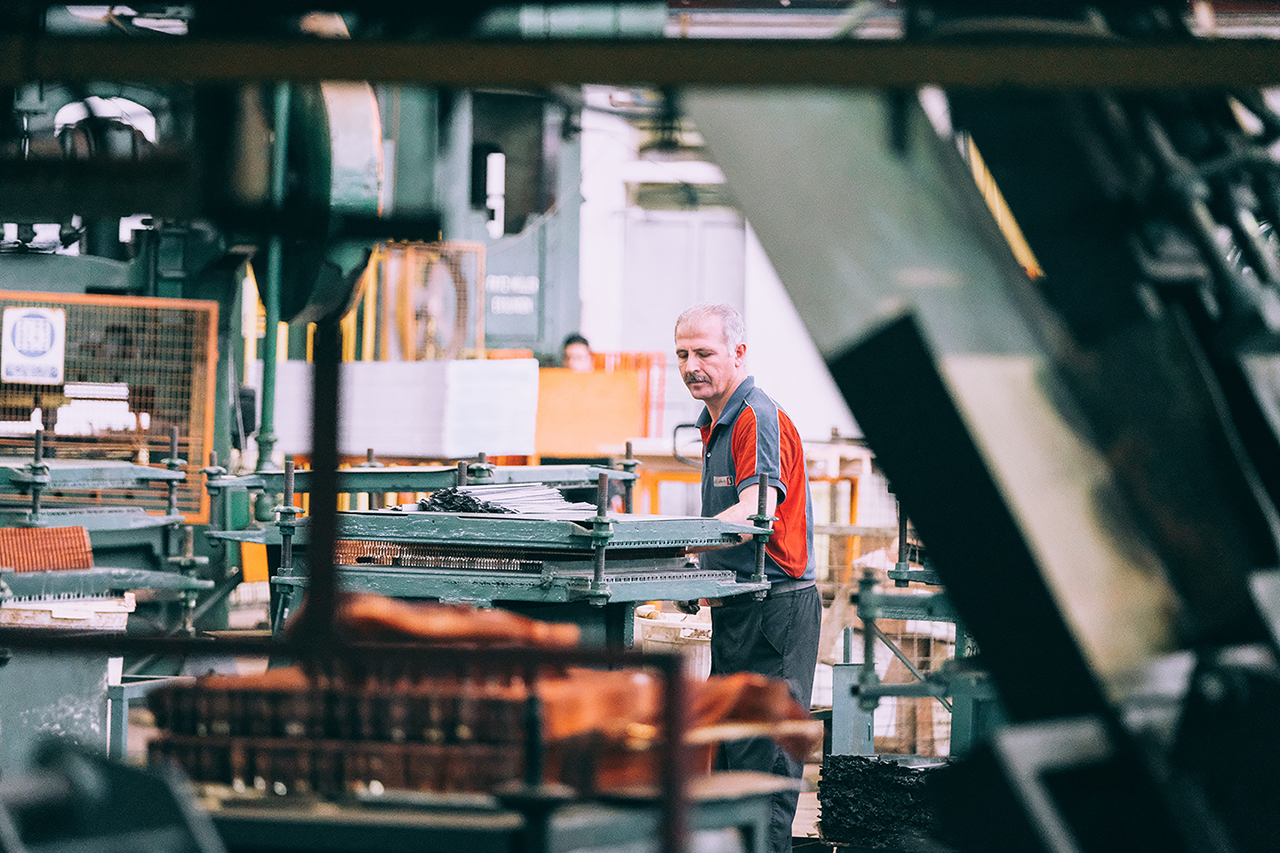
As steam power spread, productivity increased dramatically. Developments in electricity, the internal combustion engine and electromagnetism opened further possibilities in transport and communications. The electrical age brought larger-scale production and the Second Industrial Revolution.
Quantum mechanics developed in the 1920s and 1930s, laying foundations for atomic energy. By around the 1960s, economic, social and political demands were driving wider use of electronics and computers. Mainframe computers, aerospace technology, renewable energy, mobile phones, digital cameras and webcams became part of an information age. These inventions transformed daily life and ways of thinking. This period is known as the Third Industrial Revolution, or the digital revolution.
Since around 2010, the Fourth Industrial Revolution, also called Industry 4.0, has brought a further wave of change, building on the technological foundations of the previous century.
What makes Industry 4.0 different?
One major difference is speed. The earlier industrial revolutions unfolded over decades. Industry 4.0 builds rapidly on computers and the internet, with widespread connectivity, smaller and less expensive sensors, greater computing power and advances in artificial intelligence.
The change reaches beyond individual sensors and mobile devices. Nanotechnology, materials science, AI, computing and 3D printing are developing and converging, creating a much broader force for change.
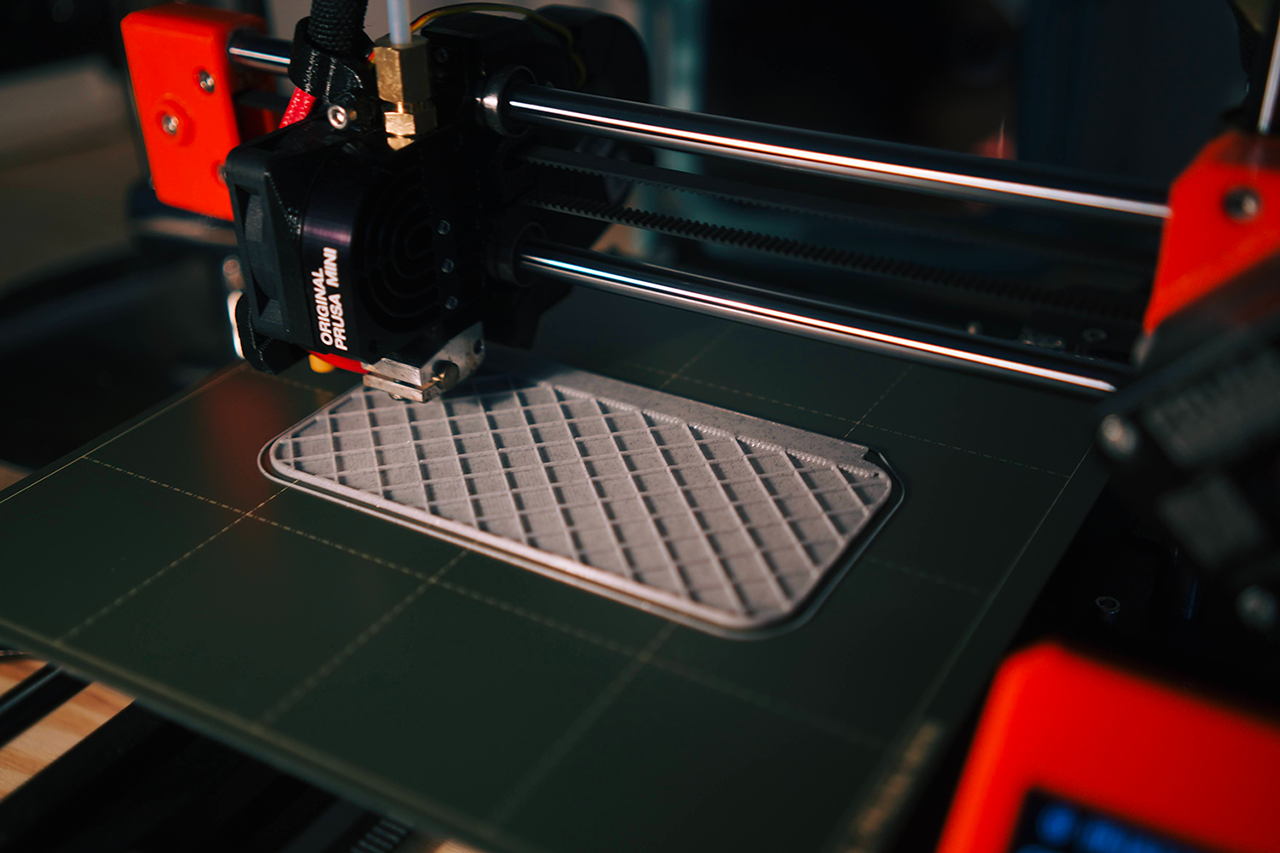
Because these technologies come together quickly, the result can be a transformation of whole systems. Food delivery platforms illustrate this: they change how restaurants operate and how people eat, rather than simply improving one device.
Industry 4.0 therefore has implications across society. The article’s outlook is that these system-level changes will substantially affect how people live over the following ten to twenty years.
Industry 4.0 and the factory of the future
The pandemic beginning in 2020 accelerated demand for more connected manufacturing. A smart factory, one expression of Industry 4.0, connects the physical and digital worlds through IoT. Departments can collaborate more easily, and partners, suppliers, products and employees become part of a more accessible information network.
Business owners gain a clearer view of operations and can use real-time data to improve processes and productivity.
Who should consider Industry 4.0?
If your industry is changing rapidly, continuing with old methods without evaluating alternatives carries a risk of falling behind.

Use this checklist to consider whether your business should begin investing:
- You operate in a highly competitive industry with technically capable competitors.
- You find it difficult to recruit for vacant positions.
- You want greater visibility across your supply chain.
- You want to identify and resolve problems before they occur.
- You want to improve organizational efficiency and profitability.
- You want everyone on the team to understand current business processes and relevant information.
- You need more timely, detailed analysis.
- You want clearer, digitized information.
- You want to improve customer experience and satisfaction.
- You want better or more consistent product quality.
- You need an enterprise resource planning system that integrates inventory and planning with finance, customer relationships, supply chains and manufacturing execution.
- You want consistent yet flexible production and business workflows tailored to particular users or parts of the organization.
- You need factual, objective insights to make better business decisions more quickly each day.
If more than half of these points describe your needs, Industry 4.0 deserves serious attention. Its scope is broad. Mountainview’s consulting team can help assess your business, identify appropriate priorities and develop a solution around your requirements.